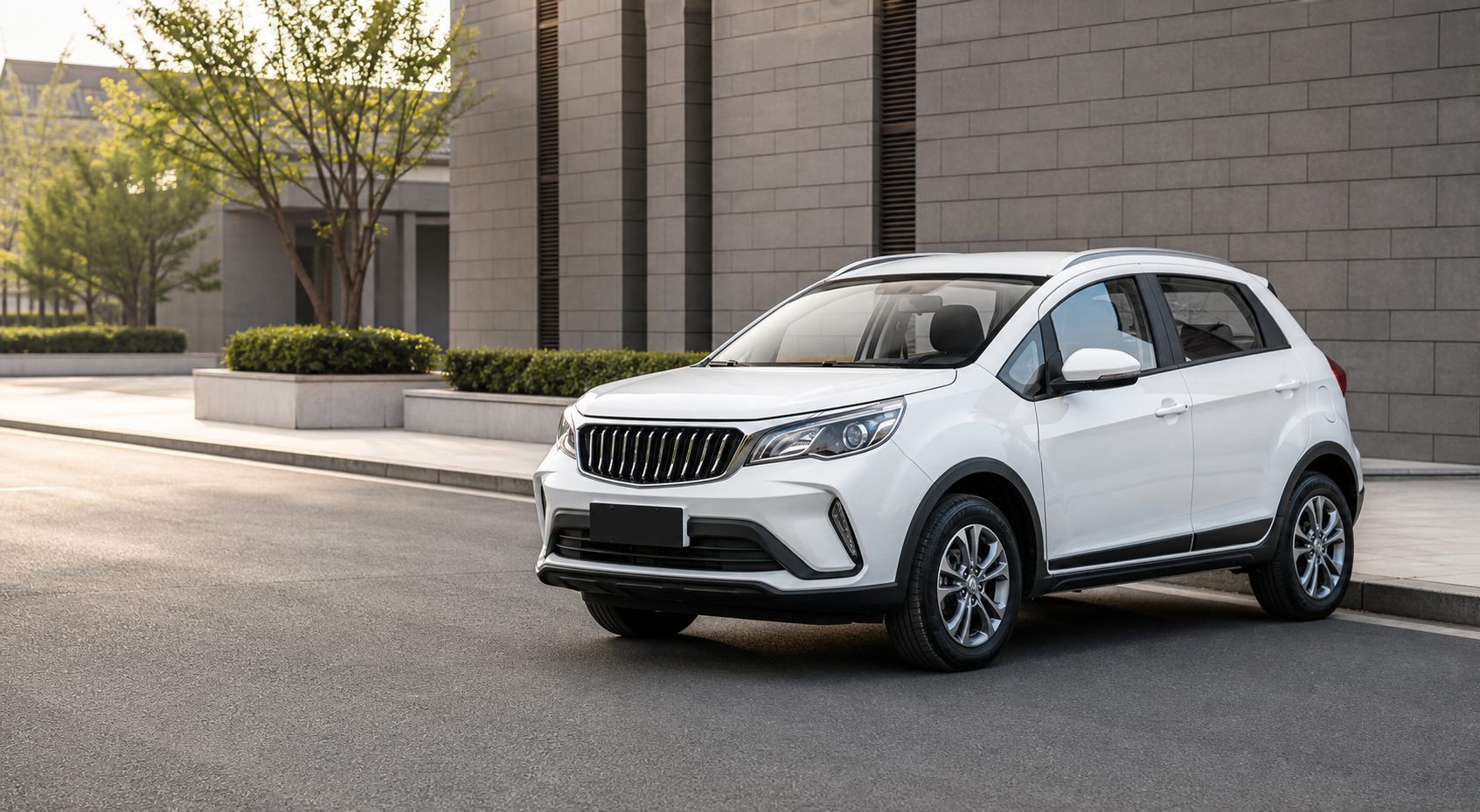
Describe the ordinary week and its exceptional trips
Record repeated commuting distance, road types, congestion, parking, occupants and luggage. Separate frequent tasks from rare wishes so an occasional hypothetical journey does not dictate every purchase preference. The seating/cargo guide supplies a practical fit route, not a guarantee that every compact SUV carries the same useful load. State what would make an otherwise acceptable car unsuitable. A buyer living alone with modest luggage has a different task from a shared family car with restraints and regular bulky items. The brief should explain actual needs before choosing a trim or transmission, instead of treating a small body or cheap quote as a completed daily-use decision.
Check parking, visibility and physical access
Use actual car and parking measurements where margins matter, retaining door opening, entry, closure and safe access rather than body length alone. Mirrors and fitted accessories can change the usable arrangement. Required visibility or parking equipment needs original fitment and current operation, not assumed inclusion from a top-version label. The trim-value decision can price a useful confirmed feature without crediting unsupported services. A garage that accommodates the empty vehicle may still create access problems for passengers or bags. The comparison should describe repeated practical use, not infer that every small car is easy to park in every space or suitable simply because an exterior dimension looks favourable.
Test actual occupants, restraints and climate needs
Use the child-seat/rear-bench fit guide for relevant approved arrangements and practical access. Anchor counts or seat numbers do not guarantee that specific restraints and occupants fit. Assess ordinary luggage with the intended occupied layout, not maximum volume with seats folded. Suitable climate-system checks matter where comfort and demisting are essential. A functioning cabin demonstration does not approve every temperature or intermittent condition. Keep required use within applicable safe scope and retain missing answers. The purchase should remain coherent on a normal loaded journey, rather than look attractive only when the car is empty, the weather favourable and the owner’s actual passenger task omitted.
Choose a supported powertrain for the actual drivers
Identify fitted engine and transmission through the CVT/manual guide. The transmission-premium decision keeps convenience and prepared value separate from labels. Arrange suitable driving assessment for actual routes and relevant load within safe lawful conditions. Do not promise every configuration has equal acceleration, climbing or fuel performance, or prescribe unsafe demonstrations to test limits. Appropriate whole-car inspection should retain engine, chassis and current equipment scope. A route preference cannot make an unresolved warning acceptable. Compare identifiable offers on equivalent findings instead of judging one assessed candidate against an ideal alternative presumed perfect from reputation or advertised low mileage.
Compare operating expense at a complete boundary
Use the fuel/emissions guide with applicable identity, consistent consumption units and credible real-duty assumptions. Stated test-cycle figures are not guaranteed commute results. The price worksheet and three-year ownership comparison keep preparation and receiving support beside running costs. Obtain applicable service estimates rather than assuming a low-price small car automatically needs no consequential work. A distant cheap fuel option or ideal parking arrangement unavailable to the owner should not drive the result. Compare two actual usable alternatives, preserving hypothetical future disposal as an assumption and counting each required operation once rather than hiding incomplete readiness behind a favourable headline vehicle amount.
Buy the routine that works or revise the brief
Proceed where the actual car, drivers, passengers, parking and supported receiving scope meet mandatory ordinary tasks at an accepted amount. Hold a named fit or technical answer that could resolve the comparison. Choose another offer where essential use cannot be established, rather than spending further on preferences to preserve the initial low ask. Retain accepted powertrain and equipment in the purchase schedule. Another allocation needs its own relevant checks. The recommendation should explain how this owner uses the selected vehicle during an ordinary week, not guarantee the same economy, convenience or family suitability for every Livan/Ruilan X3 Pro carrying a similar advertisement description.
Compare the acceptance conditions
- Commuter brief fits
- Actual access, occupants, route and supported condition meet mandatory daily use.
- Resolve a specific fit question
- A parking, restraint or technical answer can settle the decision.
- Choose another arrangement
- Essential use remains unsupported despite an attractive vehicle ask.
Buyer evidence checklist
- Ordinary weekly task
- Actual parking and access
- Occupants/restraints with luggage
- Supported powertrain and climate
- Complete prepared/operating comparison
Questions before you buy
Does compact size guarantee easy daily use?
No. Verify actual parking access, occupants, luggage, equipment and condition against the owner’s routine.
Can an attractive fuel rating settle commuter value?
Not alone. Keep realistic duty and complete acquisition/service boundaries visible.